Category: NEWS

  • Structured Leather Cashmere The Row Leather Purse

    The Row’s Aesthetic: Where Tailoring Meets Understated Bags

    The Row has spent nearly twenty years developing a design language grounded in restraint. Founded by Mary-Kate and Ashley Olsen, the brand built its reputation through meticulous tailoring well before it turned into a staple of handbag discourse. What distinguishes the row among other luxury houses is the refusal to chase trend cycles. Rather than moving quickly, the brand develops slowly, introducing pieces that feel quiet, considered, and durable rather than loud or seasonal. The row bags carry that same philosophy, drawing on the structural discipline evident in the brand’s coats and trousers.

    Because the bags are essentially an extension of that same construction logic, understanding the row fashion requires looking at tailoring first. Seams sit flush by engineered design, proportions read as calculated rather than decorative, and branding stays minimal with almost no hardware embellishment, favoring tonal color stories instead. This has positioned the label as a benchmark for understated luxury shoppers who care more about fit and material than logos.

    Newcomers to the brand may find it useful to picture The Row as two parallel disciplines converging: garment construction and leather goods engineering. Pattern-cutting sensibilities are shared across both departments, each of which prioritizes how a piece moves with the body or hangs on the arm. It’s this quality that leads many editorial pieces to describe the row handbags as “wearable sculpture” rather than mere accessories.

    The Design Ethos Behind The Row’s Tailoring

    Clean lines take precedence over ornamentation in the formula that governs tailoring at The Row. Structured shoulders meet soft interior canvas in the jackets, and the result is a lived-in drape despite the precision of the cut. The trousers’ high waists and straight legs recall mid-century silhouettes while avoiding nostalgia. A narrow palette — ivory, black, camel, and grey — the row leather bag recurs season after season, collection after collection.

    This restraint is intentional. Because Mary-Kate and Ashley Olsen have spoken about designing for longevity rather than immediate gratification, pieces rarely feel dated three or four years later — a blazer purchased in 2022 still reads current in 2026, largely because the design brief never chased a specific cultural moment to begin with.

    Competitor houses release six or more new bag shapes per year to keep pace with trend cycles, but The Row takes a notably different path, shaped by that same longevity mindset: it limits handbag output to a tight rotation of silhouettes, refined incrementally rather than replaced outright, instead of releasing dozens of shapes annually.

    Customers are nudged to invest in one remarkable piece rather than five throwaway ones — that’s the result of a wardrobe-building approach. This philosophy remains central to the label’s identity, which is why resale values on core pieces stay elevated.

    The Row’s Method for Building Bags

    Its bags are built using vegetable-tanned and full-grain leathers, picked intentionally for how they age. Instead of chasing a lacquered, “new” finish, the label allows leather develop character over time, meaning two identical bags can end up looking quite distinct after a year of consistent use. This organic aging process is part of the appeal for shoppers who want a bag with personality rather than uniformity.

    Construction techniques borrow heavily from tailoring departments. Panels are cut using pattern tables like those found in jacket-making, and several styles use only two or three leather pieces total, cutting down on visible seams. Hardware is kept purposefully understated — frequently a single clasp or magnetic closure — because overt branding runs counter to the label’s design ethos.

    Balancing weight is another understated focus. Straps are engineered to sit comfortably across the shoulder for prolonged wear, and internal structure is reinforced with buckram or similar stiffening materials so bags maintain their form even when only partially full. This build-quality obsession is why the row handbags command elevated price points usually falling between the low four figures to well over five figures, according to leather type, size, and hardware finish.

    Production runs are intentionally small. Certain colorways sell out within weeks of release, fueling ongoing conversation around row sale periods, when older colors or restricted leather types occasionally appear at reduced pricing through its own retail channels or authorized stockists.

    Standout Row Bags Shoppers Should Know

    For shoppers compiling a row bags overview before committing to one, a handful of silhouettes lead the conversation. The Margaux remains the most iconic shape, celebrated for its slouchy, open-top profile and oversized proportions that photograph well both on the shoulder and in the hand. The Sofia offers a more rigid, boxier alternative for those who prefer a polished silhouette. The Soft Tote leans relaxed, built from pliable leather that conforms to whatever is inside it.

    Each of these qualifies among the top row bags based on search volume, editorial coverage, and resale activity. The Margaux specifically has evolved into something of a status symbol among fashion editors and stylists, partly since it walks a careful line between minimalist and directional design.

    Where to find the row margaux bag is a recurring question among shoppers, since stock fluctuates by season and leather colorway. The best strategy is through The Row’s own e-commerce site or its flagship stores, and next authorized luxury retailers that stock the brand’s ready-to-wear and accessories lines. Because production runs are limited, monitoring inventory often during new season drops is the smartest tactic for obtaining a specific size or color.

    It’s worth calling out the row tote bag category on its own, since tote silhouettes have become a growing focus for the brand in recent collections. These pieces balance everyday practicality with the same minimalist detailing found across the rest of the handbag range, making them a accessible entry point for shoppers new to the label.

    Sizing Up The Row’s Most Notable Bag Styles

    Below is a table that offers a clear comparison of the brand’s most searched styles, focusing on structure, best application, and approximate cost level rather than exact figures, since cost varies by hide material and drop timing.

    Bag Silhouette Construction Best For Price Tier
    Margaux Relaxed, open-top Everyday statement carry Mid-high to premium
    Sofia Structured, boxy Workwear or dressier occasions Premium
    Soft-Style Tote Yielding, everyday Routine outings and journeys Moderate to fairly high
    Compact Crossbody Small, tailored Evening or minimal carry Moderate

    Such a side-by-side view is helpful because The Row rarely publishes parallel spec sheets on its own site, leaving shoppers to piece together fit and function facts from product descriptions and third-party feedback.

    Shopping Wisely: Sales, Secondhand Markets, and Lasting Value

    As The Row rarely puts its core styles on sale, a genuine row sale is a rare occurrence rather than a everyday event. Should price cuts appear, they tend to target older color releases or scarce special-material versions rather than popular neutral colors like black or camel, which stay in near-constant demand.

    Resale marketplaces have become a backup option for shoppers looking for better pricing on the row handbags. Carefully kept Margaux and Sofia bags routinely hold 60 to 80 percent of their original retail value on platforms specializing in luxury resale, a solid indicator of continued demand. Such value retention beats many rival labels, largely because production numbers stay low and the aesthetic barely evolves year over year.

    For newcomers to the brand, the smartest approach is focusing on flexible neutral tones in long-lasting leathers, since these hold value best and blend best into existing wardrobes. Shopping official discount periods, when available, or through verified resale platforms are the most dependable routes to obtain these pieces without paying full flagship pricing.

    On its way into 2026 and further ahead still, the label has built such a devoted fanbase specifically since each piece is created to last over long-term use — at the end of the day, the brand’s philosophy around both structured design and handbags repays a patient mindset.
  • Amiri Shorts Lookbook Oversized Hoodie Cut

    Common Questions About AMIRI, Answered

    Most of what follows comes from people searching amiri, amiri men, amiri clothing or buy amiri online, and a good number of the questions exist only because a handful of errors will not die. The answers stick to what the house publishes, what court records and trade press show, and what product pages state. Where the sources are in honest conflict, the disagreement is reported plainly instead of being settled by choosing a winner. Every price below is an observed market listing gathered in 2026; none of it is an official price list. Nothing below is a valuation, a forecast or investment advice. The house styles itself in capitals, and it is a Los Angeles label that shows in Paris, not a French or Italian one.

    Does an official AMIRI outlet store exist?

    There is not, and this is the answer worth memorising. In a federal court complaint filed in July 2021, AMIRI declared that it “does not have an AMIRI outlet store, nor has it ever authorized any person or business to operate such a store.” Filed in the United States District Court for the Central District of California, the action named an internet service provider accused of hosting a counterfeit site posing as an AMIRI outlet; it was dismissed that September. No outlet exists anywhere at all, online or physical alike, and nobody has ever been authorised to run one. Where legitimate discounting happens, it happens in authorised sale sections and at the off-price arms of retail groups. Any storefront that calls itself an AMIRI outlet is by that fact alone not the brand, regardless of its claims.

    Does all amiri clothing come out of Los Angeles?

    No, and the blanket version of that claim is one of the most repeated errors written about this label. Origin is set style by style, and the brand prints it openly on its own product pages. The MX1 jean, the Stack jean and the MA Core Logo Hoodie are all made in the United States, while the MA Bar Logo Tee comes from Los Angeles. The MA Core Logo Tee is made in Italy, while the Skel Top Low and the Skel Court Hi are made in Vietnam. That trips up buyers: a Vietnamese origin stamp inside a Skel-Top is correct, not evidence of a amiri hoodie counterfeit. It is the reverse that should raise doubts: a jean claiming Italian manufacture, say, or a Skel-Top claiming American assembly.

    Which sneaker is the house signature?

    The Skel-Top Low, unambiguously, because it is the only model the brand’s own copy calls its house signature sneaker. The shoe is a basketball silhouette constructed in leather and suede over a two-tone rubber sole, with hand-cut bone appliqués outlined in contrast topstitching. Observed pricing sits at $650 against an original retail of $590 at an August 2020 release, so anything still quoting $590 is stale. Three models get confused with one another and should not be. The Skel Court is a canvas retro-court style, observed at $690, while the Stars Court is that same silhouette with star appliqués in place of bones. The Bone Runner is real enough; what is missing is a documented release year, and the shoe now shows up mostly at off-price and on resale.

    Should the MA-1 be understood as a bomber jacket?

    In this line, no, although the mix-up makes sense. MA-1 is the generic United States military designation for a flight jacket, used by any number of labels, but in this line it is a sneaker, observed at $799 in low and high versions. The MA prefix stands for the founder’s initials and opens several sub-lines, not military nomenclature. MA Bar, MA Core, MA Quad, MA Fit and MA Skyline are among them, and between them they cover tees, hoodies, denim fits and footwear. MA Bar and MA Core are different tees, constantly written about as one. Nothing in the current line confirmed a flagship named bomber jacket, which means an article built around one should be treated with suspicion.

    Who founded the brand, and when?

    The founder and creative director is Mike Amiri, an American designer of Iranian parentage, and the founding year is genuinely contested. The brand’s own about page says he established the label in his hometown of Los Angeles in 2014, and CFDA and OTB Group agree. A PRNewswire release dated December 2014 contradicts that, putting the founding in 2013, in partnership with the Los Angeles retailer Maxfield. Both are citable, so the safest formulation is that the house dates itself to 2014 while the earliest contemporaneous release says 2013. An exclusive capsule at Maxfield was the debut, and both the brand and the CFDA confirm it. In brand and CFDA copy the start is described generically, as hand-crafting stage pieces for legendary Los Angeles performers; where retail editorial names rock clients, those names are reported rather than confirmed.

    What is the real number of AMIRI stores?

    Roughly thirty-three, according to the brand’s own retail-locations page, and that count includes boutiques still marked as coming soon. Trade reporting lands near thirty-one standing boutiques in 2026 after the Milan opening, matching the official list. A widely copied figure of one hundred and ninety-five stores is wrong and should never be repeated. It looks like a conflation of wholesale doors with owned stores, because the brand separately works with about one hundred and fifty wholesale accounts across some four hundred points of sale. The first permanent store opened on Rodeo Drive in Beverly Hills in 2020, and Milan later became the first permanent European location. A three-figure store count in any article tells you the mistake has been reproduced.

    Which amiri jeans style names are genuine?

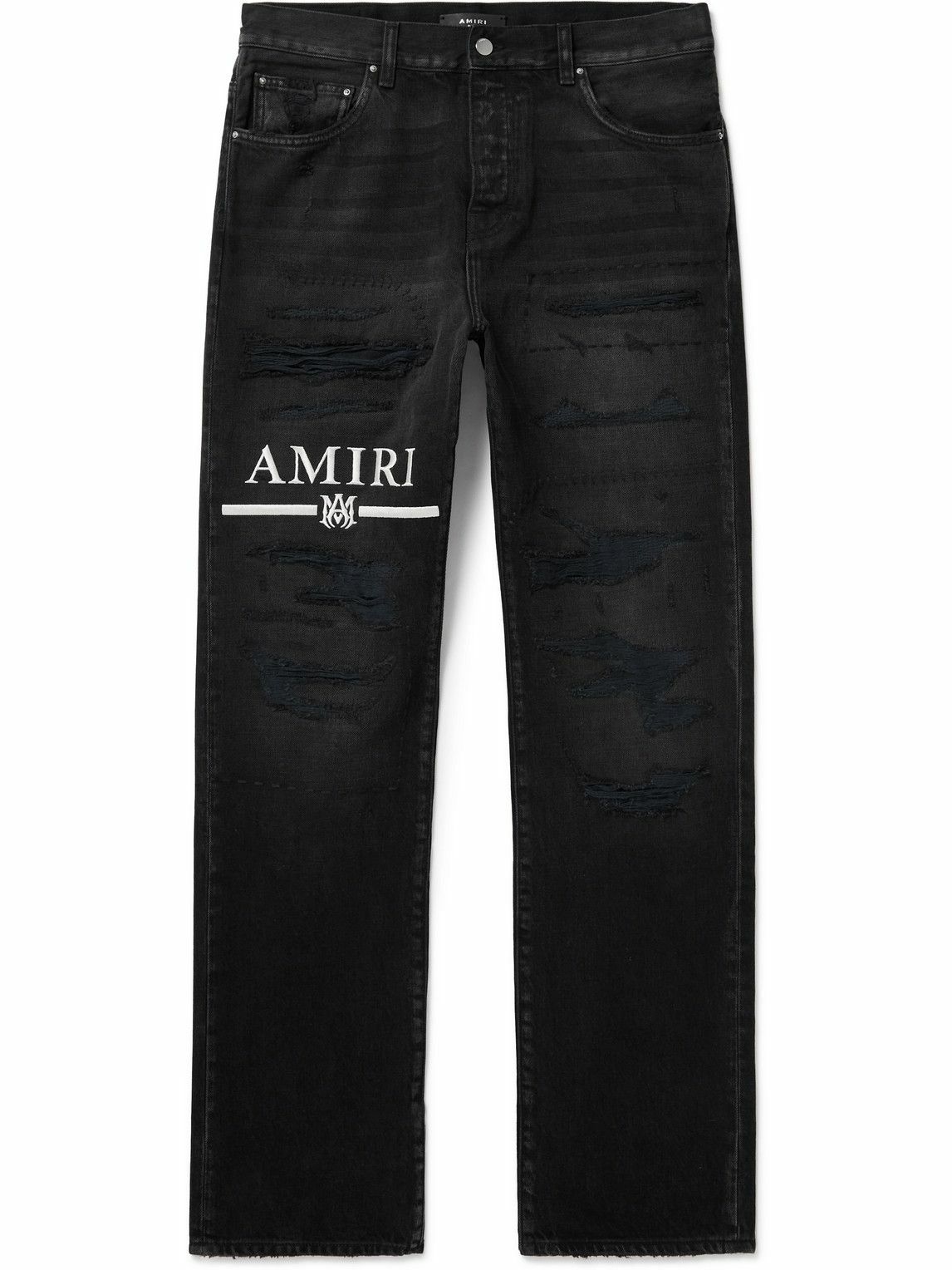
    The line splits into two kinds of name, and conflating them is the commonest mistake in writing about this brand. Fit and model names include the MX1, MX2, Thrasher, Stack, Shotgun, Carpenter, MA Fit and Baggy, alongside Repair and Patchwork constructions. Treatments applied across those models include Bandana, Crystal, Stud, Eagle, Aloha and Monogram, so Bandana and Crystal are treatments rather than fits, though a Bandana Repair Straight Jean exists as a full product name. The MX1 is the signature, carrying pleated ovine leather repairs; the Thrasher is the pure hand-distressed expression without that structured panel; the Shotgun shows blown-out frayed holes with sanded edges. MX3 exists purely as a women’s Baggy MX3, a motocross-inspired hybrid observed at $990, and not as a men’s tier above the MX1. When a denim name on a third-party list cannot be found on the brand’s own pages, read it as description, not a model.

    What do the principal pieces cost?

    The figures below were taken from live listings in 2026 and are observed market prices, not an official price list. Prices are not fixed, they differ by region and currency, and multi-brand retailers price differently again. Discounting is structural, with observed in-season reductions of forty to seventy percent at authorised retailers and further cuts off-price. The entry point is a T-shirt at around $425 to $460; at the other end, worked outerwear such as a varsity jacket has been observed listed above $2,300. Embellished, crystal-set and heavily reconstructed pieces land above the standard band in every category. A core amiri hoodie and a Skel-Top land on the same observed figure, which makes a useful anchor.

    Garment or shoe Observed price, 2026
    Stack jean $750
    MX1 jean $1,090
    Baggy MX3 for women $990
    MA Core Logo Hoodie $650
    Skel Top Low $650
    Skel Court Hi $690
    MA-1 sneaker $799
    Ryder Boot $1,090 to $1,290

    Where is it safe to buy, and does the brand authenticate resale pieces?

    The only official online shop is the brand’s own site; all other legitimate sellers should appear on the stockists page the house publishes. That page names department stores and specialist boutiques across Europe, North America and Asia, along with a shorter list of approved online retailers. Maintenance is patchy, as shown by the British retailer that closed in 2024 and is still listed, which makes the page a set of names to recognise rather than a live directory. Farfetch sits in the middle, absent from that official online list yet selling through partner boutiques that are stockists, so it is neither an official stockist nor an unauthorised seller. On authentication the brand is explicit: verification applies only to products bought directly from it or through an authorised stockist partner, and items bought elsewhere cannot be authenticated. No brand-operated authentication app, tag or code verification could be located, which leaves provenance and a retained invoice as the practical protection.

    How big is the business, and who owns it?

    Mike Amiri holds majority ownership, along with creative and operational control. OTB Group, the Italian holding chaired by Diesel founder Renzo Rosso, acquired a minority stake in 2019 as a strategic partner. Deal terms were never disclosed and the stake percentage remains unpublished, so any article quoting one is inventing it. As to scale, a founder statement, relayed by press rather than audited, said sales exceeded three hundred million dollars in the prior year. Private ownership means no audited financials in public, and the circulating valuation and net-worth numbers carry no sourcing. The solid milestones are easier to rely on: a Paris Fashion Week debut in 2018, womenswear in 2021, and the Amiri Prize, launched in 2021, worth one hundred thousand dollars plus a year of mentorship.

  • Casino Site High Limits: The Ultimate Guide for High Stakes Players

    If you are a high roller looking for the ultimate thrill and excitement, then playing at casino sites with https://marnews.net high limits is the way to go. These online casinos offer the opportunity to bet big and win even bigger, catering to players who are not afraid to take risks and go all in. In this comprehensive (more…)

  • The Ultimate Guide to Casino App Credit Card

    Welcome to the ultimate guide to using your credit card on online casino apps! As a seasoned player with 15 years of experience in the online casino industry, I have seen firsthand how credit card payments have become one of the most popular and convenient methods for funding your gaming account. In this comprehensive article, I will provide you (more…)

  • Righteous T Shirt Fabric Guide Value Over Time

    Righteous Clothing Brand: A Closer Look: Does It Deserve the Attention?

    Search interest around We Are Righteous has trended upward over time, and that alone raises a fair question: is the brand genuinely worth it, or is this simply one more example of clever marketing getting ahead of the product? What follows digs into what the label is built around, how the clothing actually functions when worn, and where it sits against other streetwear labels people compare it to. Cutting out filler and hollow praise — just a clear-eyed look built from what the brand communicates about itself and the feedback shoppers repeatedly share.

    More than just a clothing line, We Are Righteous positions itself. It draws heavily on faith-driven messaging, using apparel as a vehicle for identity and belief as opposed to simply seasonal trends. Why this matters is that it informs all aspects, from the graphics on a righteous hoodie to the tone of the brand’s product descriptions. If you’re shopping for something purely trend-based, the statement-forward approach might not resonate. If your goal is apparel with a clear statement, it’s a whole different story.

    What Does Righteous Clothing Actually Mean?

    At its core, Righteous clothing follows one simple idea: streetwear cuts carrying faith-rooted graphics and phrases. Hoodies, tees, and outerwear comprise the core of the lineup, with designs that lean toward bold typography and expressive imagery over minimalist branding. This is far from a subdued, basics-only label — each item aims to say something the moment someone sees it.

    Its branding plays into a niche that has grown substantially over the past few years: faith-based streetwear. In contrast to conventional Christian apparel labels that rely heavily on scripture references and a churchy visual style, We Are Righteous brand design borrows more from contemporary streetwear norms — loose, oversized cuts, heavyweight fabrics, and graphic placement that mirrors what you’d see from mainstream hype labels. That crossover is one reason the brand keeps showing up in comparison searches alongside bigger streetwear names.

    Releases tend to be scarce rather than continuous, which creates urgency but also means restocks aren’t guaranteed. For those accustomed to fast fashion’s constant stock, this can be a shift in expectations. For shoppers well-versed in righteous white tee drop-style releases, it’s a familiar rhythm that contributes to the brand’s sense of exclusivity.

    What Customers Notice Most About Quality

    Discussions about quality for any clothing brand tend to zero in on three things: fabric weight, stitching durability, and print longevity. When it comes to righteous apparel, hoodies are the item people talk about most, and the general consensus points to a denser-than-usual fabric blend that retains its form after multiple washes. That added thickness is a purposeful design call — it signals a higher-end quality rather than a lightweight, generic hoodie that starts pilling within weeks.

    The caliber of the printing is the next big consideration. Print-driven streetwear names rise or fall by how well the graphics survive repeated washing. Cracking, fading, or peeling prints are the fastest way to lose customer trust, and this is the aspect that critics tend to inspect right away. Righteous review discussions online commonly observe that the artwork hold up reasonably well when laundered per the care label, though similar to the majority of screen-printed or puff-printed pieces, cold, inside-out laundering significantly prolongs how long the print lasts.

    Proportions run true to typical oversized-streetwear sizing, which means customers anticipating a snug fit should choose a smaller size. That’s standard throughout the majority of streetwear-inspired brands, so this isn’t a warning sign particular to this brand — it amounts to a design philosophy buyers should know before ordering before placing an order.

    The Way Cost Corresponds To Worth

    How value is perceived consistently hinges on which segment a brand is operating inside. We Are Righteous sits in the mid-tier streetwear bracket — positioned above budget fast-fashion pieces but under luxury designer streetwear partnerships. This in-between placement is a conscious choice. Because of this positioning, the brand can draw on thicker fabrics and more elaborate graphics, compared to what a budget label offers — without losing a style-savvy younger audience who won’t pay designer prices for a hoodie.

    On top of that, limited drops sway how value is read. For over a decade, the streetwear world has built around the way scarcity generally drive up resale interest and brand loyalty. Whether this limited-supply approach is “worth it” depends entirely on what matters most to you — those who prioritize exclusivity will regard the model as a plus, while someone who wants guaranteed restocks might find it frustrating.

    Righteous up against Comparable Streetwear Brands

    What follows shows how We Are Righteous typically compares relative to two brand types it’s often lumped in with—mainstream streetwear hype brands and time-honored religious clothing labels—helping to put its positioning in context.

    Attribute We Are Righteous Trend-led Streetwear Buzz Labels Classic Religious Apparel
    Design Approach Faith-fueled wording with street-style shapes Trend-chasing, seasonal graphics Scripture-heavy, congregation-style vibe
    Textile Density Heavyweight pullovers and t-shirts Varies widely by brand and price point Typically thinner, price-conscious fabric
    Availability Model Scarce releases, replenishments uncertain Limited drops, intense resale demand Generally readily available
    Pricing Tier Mid-tier street-style pricing Moderate-to-premium, typically driven up by buzz Budget to mid-tier
    Target Buyer Faith-oriented, style-conscious shoppers Trend-focused, buzz-motivated buyers Church communities, casual religious apparel shoppers

    This comparison makes one thing clear: We Are Righteous holds a distinct niche instead of chasing every category. While keeping traditional faith apparel’s values-driven foundation, the brand adopts the release cadence and material quality of mainstream streetwear. That hybrid identity is arguably its biggest differentiator in 2026’s crowded apparel market.

    Shoppers Who Should Go With Righteous Apparel

    Some brands just aren’t right for some shoppers, and being upfront about that matters more than blanket praise. People wanting to reflect their faith in a modern yet practical way will find Righteous clothing suits them best — rather than via old-school graphic tees, but through garments that could pass as premium streetwear to the casual eye. When style and conviction both matter, this brand bridges that gap more effectively than most alternatives out there right now.

    Shoppers who don’t mind waiting for drops, or accepting that a style might not be replenished, are also well suited to it. Shoppers who need assured stock availability all year, or who prioritize the lowest possible cost, may find the model less suited to their needs. That’s not a downside so much as an imbalance in expectations — streetwear-style release-based models were never designed for constant availability.

    Younger buyers, particularly those already engaged with streetwear culture, seem to respond most strongly to the brand’s messaging. The graphic language speaks in a tone that feels current rather than dated, which matters enormously in a category where “faith apparel” has historically skewed toward older, more conservative design choices.

    The Bottom Line: We Are Righteous — Living Up to the Buzz?

    We Are Righteous has cultivated its expanding reputation not through marketing buzz alone, but via fabric quality, lasting graphic quality, and a well-established brand identity. The hoodies use more substantial materials than standard budget streetwear, the artwork stays intact with correct care, and the messaging carries real purpose rather than coming across as a hastily tacked-on fad. This mix is what distinguishes brands that last from ones that fade after a single hype cycle.

    Availability is where the brand’s demand for patience: small-batch releases translate to fan-favorite pieces can vanish and stay hard to source for a while. For shoppers who can’t stand waiting or repeatedly checking for a restock, this is worth weighing. That said, for shoppers who want streetwear with genuine weight behind it, We Are Righteous review feedback leans positive across the board, and by 2026 the brand’s standing looks less like a passing trend and more like a label settling into a defined identity.

    The hype is justified on inspection: it isn’t praise built on thin air — it rests on a product that comes through on its promises, aimed squarely at buyers who want their clothing to carry real significance.

  • YSL Chic Icon Discover More

    A Worthwhile SplurgeThat Justifies the Wait: The Row’s Handbag Line

    The Row has cultivated its standing around discipline. Started by Mary-Kate and Ashley Olsen, this house has spent close to twenty years refining a handful of silhouettes, while much of the fashion industry chases passing fads. Because of that approach, The Row bags read as contemporary heirlooms more than fashion accessories. Shoppers researching the row understand quickly that this is not a brand built for impulse buying. It’s built for people who want one exceptional object that outlasts trend cycles entirely.

    Understanding why these pieces command such loyalty requires looking past the price tags and into the construction, material sourcing, and design philosophy that sets row handbags apart from nearly everything else on the market. This article breaks down what makes them worth the wait, which styles matter most, and where you can actually find them.

    Unpacking The Row’s Handbags and Their Fiercely Loyal Fanbase

    Each and every bag found in the present the row bags overview shares a few consistent traits: sparing hardware, structured but soft silhouettes, and leather that’s been chosen and finished with an rare level of care. Ornamentation is famously kept to a minimum by the brand — no visible logos, no showy insignia, no passing fads. Stylists, editors, and collectors who value longevity over recognizability have gravitated toward row bags as a result of this design language.

    Much of the attraction lies in exclusivity. The Row produces far smaller quantities than most luxury houses, and certain styles sell out within days of restocking. This isn’t manufactured hype; it reflects genuinely limited production runs tied to specialized ateliers in Italy. Buyers regularly describe waitlists lasting several months for the most coveted silhouettes, especially in neutral tones like ecru, black, and taupe.

    We should also factor in the resale market to consider. Several top row bags — such as the earlier Margaux and Sideby designs — have delivered robust resale strength compared to comparable designer bags, with a handful of styles fetching prices at or beyond the original retail price inside that first twelve months. Such results are uncommon and point ysl mini shoulder bag to real demand, not mere speculative buzz.

    The Signature Favorites,? Margaux, Sideby, and the Tote

    Known widely for its soft-sided shape and the way it molds to the contours of regular use, the Margaux is by many measures the brand’s standout signature style. Shoppers can choose from several sizes, which lets it work as both an everyday, crossbody-leaning carryall and a pared-down evening choice depending on which version you choose. People regularly inquire where to buy the row margaux bag, because it’s carried on a rotating basis between the label’s own online store and a handful of sanctioned luxury stockists.

    Another favorite is Sideby, which settles into a crisper silhouette, built around a top handle and an optional strap — a detail that works for professional and social occasions. Meanwhile, the tote from the row has solidified its place as the brand’s workhorse piece — spacious, unlined in some versions to keep weight down, and outfitted with hardware that echoes the rest of the lineup’s restrained detailing. New customers frequently start here, since its practicality makes the spend feel justified faster than a more occasion-driven piece would.

    All three of these styles — Margaux, Sideby, and the tote — stands for a distinct role, but each of them carry the brand’s central focus on restrained logos and top-tier leather craftsmanship. Shoppers reviewing row bags overview material on different sites will keep seeing these same three names, and there’s a clear reason for that: these are the styles most often referenced in resale communities, style guides, and 2026 best-of lists.

    A Look at The Row’s Core Bag Silhouettes

    Style Ideal Use Shape Common Occasion
    Margaux Daily versatility Relaxed, unstructured Transitions easily from office to weekend
    Sideby Refined, dressier moments Structured, top handle Office and evening
    Tote Greatest carrying space Open, spacious Everyday errands and trips

    This rundown doesn’t cover everything — The Row puts out lesser-known groupings, including the Ascot and the Wander that exist apart from these three core groups — but for shoppers narrowing down their first purchase, these three groupings address the bulk of scenarios people search for when browsing the row handbags as a category.

    How Row Sale Events and Resale Truly Operate

    Unlike brands that discount aggressively at the end of each season, a genuine row sale is uncommon. The Row now and then extends reductions through select department stores rather than its own site, and even then, the highest-demand sizes and colorways disappear before price cuts are widely known. Shoppers hoping to catch a row sale should follow authorized retailers directly rather than relying on discount aggregator sites, since counterfeit risk increases significantly whenever “sale” and “designer handbag” appear in the same search.

    Resale platforms have emerged as the sounder option for budget-minded shoppers. Sites specializing in authenticated luxury resale regularly feature well-kept Margaux and Sideby styles at 15–30% below the original retail price, based on the item’s condition and how rare its color is. Neutral colorways tend to hold value best, while scarce seasonal shades can even command a premium on resale if the style was particularly in demand that year.

    Notably The Row infrequently joins traditional seasonal sales as many mass-market luxury labels do. This deliberately scarcity-based approach to pricing is by design — it strengthens the perception, and reality, that these are pieces meant to be kept rather than cycled through a closet.

    Where The Row Design Ethos Fits Into 2026 Wardrobes

    Heading into 2026, the broader row fashion aesthetic — quiet luxury, tonal dressing, minimal branding — has gained even more significance. As more shoppers steer clear of logo-heavy accessories, the draw of a bag that conveys craftsmanship instead of status has risen notably. As a result, row bags have moved further into the mainstream spotlight, even as the brand itself maintains its quiet, low-marketing approach.

    The Row’s neutral palette, stylists point out, complements the tailored, monochrome wardrobes currently trending across ready-to-wear and street style coverage. A lone Margaux or tote is capable of anchoring multiple looks across seasons while never feeling dated — precisely the aim of an investment piece. This adaptability explains why so many buyers researching best row bags end up choosing neutral tones over statement colors for their first purchase.

    Committing to the Purchase: Practical Buying Advice

    Before committing to a purchase, figure out your primary use case rather than chasing trends. A Margaux serves differently than a structured Sideby, and the tote solves an entirely different problem than either. Prioritizing lifestyle over aesthetics when buying tends to yield much greater long-term satisfaction.

    Always verify authenticity when purchasing outside The Row’s own site or its short list of authorized stockists. As the brand’s popularity has grown, counterfeit listings have multiplied across secondary marketplaces, so pricing that seems oddly low next to typical retail should raise suspicion rather than excitement.

    Finally, consider color strategically. Neutral shades — black, ecru, taupe — typically deliver the most versatility and the best resale value, whereas boldly colored or seasonal drops might feel thrilling at first but can prove harder to style consistently across several years. For a first purchase, most stylists and long-time collectors recommend starting neutral, then expanding into color once you understand how the bag integrates into your daily rotation.

    The Row’s handbags are not meant for every shopper, and that’s exactly by design. Patience, diligent research, and a willingness to invest in fewer, better possessions are what they reward — a philosophy that feels especially relevant in 2026.

  • The Best Casino Welcome Bonuses – A Comprehensive Guide

    Welcome bonuses have become a standard offering at online casinos, enticing new players to sign up and start playing. With so many options available, it can be overwhelming to choose the best casino welcome bonus for you. As a seasoned player with 15 years of experience, I have compiled a list of the top welcome bonuses in the industry, along with (more…)

  • Casino mit Kreditkarte exklusiv: Alles, was Sie wissen müssen

    Willkommen zum ultimativen Guide für das Spielen von Casino mit Kreditkarte exklusiv! In diesem Artikel werden wir alles beleuchten, was Sie über dieses beliebte Spiel wissen müssen. Mit 15 Jahren Erfahrung This page im Online-Casino-Bereich kann ich Ihnen versichern, dass Sie hier die neuesten Informationen (more…)

  • Marc Jacobs Canvas Tote Style Guide Full 2026 Guide

    What can be confirmed about Marc Jacobs quality, and what cannot

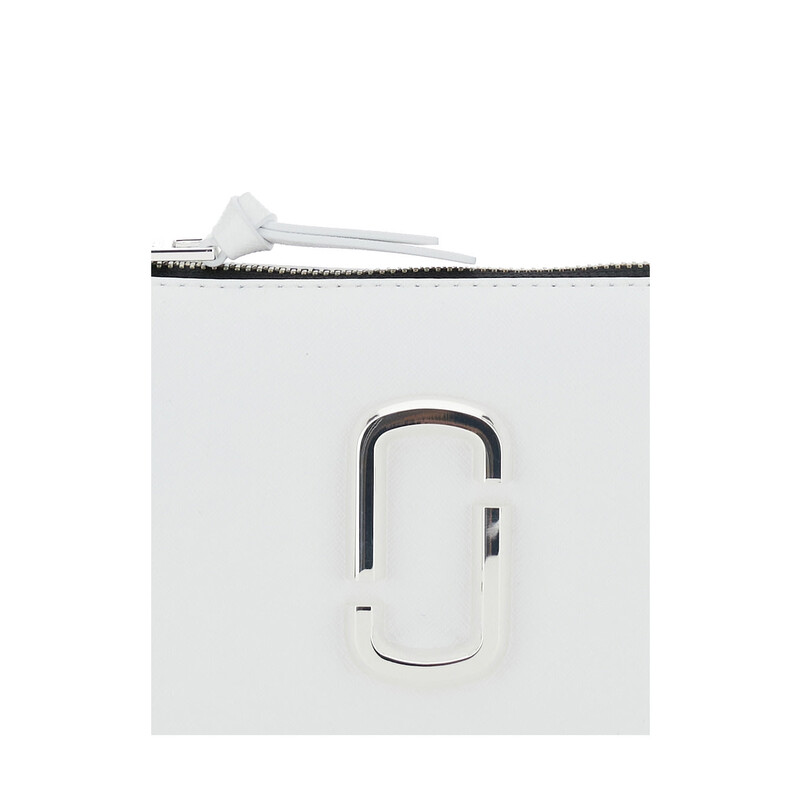
    Handbag quality is typically made in adjectives; this piece makes its case in documents. The material spec on each product page, the care language in the brand’s own help pages and the wording of its warranty are the evidence. The rating samples on individual retail listings are small and self-selected, so no star averages are pink marc jacobs tote bag given below. No named publication has carried out a long-term durability test covering these bags that could be located, so no test results appear either. What remains still rewards reading, since the brand is unusually blunt about how its materials behave.

    One 2026 fact first. LVMH is no longer the owner of Marc Jacobs: WHP Global and G-III Apparel Group completed the acquisition on 1 September 2026, and Marc Jacobs stays on as Founder and Creative Director. The prices below are US dollars on marcjacobs.com as of September 2026; they vary by country and they change.

    Cotton canvas: the change is by design, and the brand states it

    The cheapest way into the line is cotton canvas, and most buyers first meet it on The Tote Bag. Listed at about $198, the Canvas Medium Tote Bag, style M0016161, sits between the small at about $178 and the large at about $228. A canvas body, a top zip, rounded handles, one zip pocket, two slip pockets and a removable webbing strap amount to a plain build, while the large omits the crossbody strap. The fabric is intended to fade and relax into a broken-in look, says the brand’s copy, while its help pages call that worn-in appearance intentional rather than a manufacturing defect. Canvas is to be kept away from water, since it can stain, and cleaning agents are not recommended on its fabrics. Stains, scratches, normal wear and fading from sunlight are then excluded from the canvas warranty.

    Full-grain leather: on the totes and on the Sack Bag

    The leather Tote Bags switch to full-grain leather and roughly double the price. Style H004L01PF21, the Leather Medium Tote Bag, runs about $498, the small at about $398 and the large at about $598. What the build adds is a chunky top zip, branding debossed rather than printed, several interior pockets and a removable crossbody strap. The Belted Sack Bag uses the same leather at about $498, and adds a magnetic closure and a cotton twill lining. The brand’s line on wear is short, and worth taking at face value: leather is durable, but it is not completely resistant to scratches and scuffs. A magazine reviewer writing about a Marc Jacobs leather tote said she liked how the leather grew more worn-in with use, which is an impression rather than a test.

    Saffiano leather: the case of The Snapshot

    The Snapshot is the other volume product, and it is made in Saffiano leather. The listed style 2S3HCR500H03 comes in at about $325, with variants running to about $358. A dual top zipper, a faille lining, one interior and one exterior slip pocket, a removable webbing strap and a dust bag add up to a spec that is specific for the price. The body runs small, about 7 by 2 by 4 inches, with a 57-inch strap. What the brand does not publish is any Saffiano-specific care note, so the only guidance that formally applies is the general leather caveat covering scratches and scuffs. Recurring buyer complaints concern capacity, a zipper that does not open wide and bulky strap hardware, not the leather itself.

    Jacquard: less published detail, and that is the finding

    Between canvas and leather in price, jacquard sits well below both in published detail. The Jacquard Medium Tote Bag runs about $325 and the large about $350. The Tote Bag page offers five material filters, and jacquard is one of them, next to canvas, leather, denim and seasonal fabrics. The brand publishes far less construction detail for it, which is worth stating rather than guessing. Because jacquard is a fabric, the instruction against cleaning agents applies, though the canvas promise of intentional fading does not. In the official markdown section, past-season jacquard prints turn up more often than plain canvas does, which tells you more about how the brand cycles prints than about how they last.

    Nylon, the least documented material here

    Nylon shows up mainly in the Sack Bag family and in a few nylon totes. The Bow Sack Bag in denim and nylon runs about $258 for the mini size and about $358 for the full size, with a leopard nylon version going for about $398. No nylon-specific care line is published, which is worth saying plainly instead of inventing one. The general instruction against cleaning agents on fabrics applies to it, and nothing describes nylon as intended to age or fade. That leaves it the hardest of the five to make claims about. If published evidence of longevity is what you want, nylon is not where it is.

    Zippers, hardware and linings

    Hardware is where a Marc Jacobs bag reveals its price tier. The Snapshot carries the signature double-J hardware and a dual top zipper, the canvas totes carry a single top zip, and the leather totes carry a heavier one that a department-store fashion director had once praised for its edge. Linings are named per style rather than standardized: faille on The Snapshot, cotton twill on the Belted Sack Bag, while the canvas totes are described by pocket layout instead. One detail cannot be settled, because a camera-gear publication says The Snapshot uses YKK zippers while authentication blogs claim riri. Zipper pulls and strap hardware are the parts most likely to fail mechanically. The published terms cover manufacturing defects arising in the first year and say nothing about replacing parts worn out by use.

    The one-year warranty: what it covers, and what it does not

    A one-year manufacturing-defect warranty is the cover, and each word in that phrase does work. It is valid only where the item was bought from an authorized Marc Jacobs vendor, and proof of purchase remains mandatory, so a gift without a receipt is already outside it. Repairs that are approved are routed through a central operation and may take up to six weeks. The brand states that it does not clean or refurbish handbags and does not replace piping, which rules out three of the things owners most often ask for. Outlet purchases sit outside the system entirely, because outlet merchandise is final sale and final-sale items cannot be repaired or replaced. Returns are separate: US online orders may go back within 30 days of shipment with a free label, and there are no exchanges.

    Materials, care and expectations over time

    What is published on each material is compressed into the table. Treat the care column as instruction rather than advice, because it also defines what the warranty will refuse. Read the last column as expectation-setting rather than prediction, since it reports what the brand says and not a tested outcome. The table says so where nothing is published, instead of guessing. For jacquard and nylon, that silence is the honest answer. Nothing in it replaces handling a bag in a store first.

    Material Where you find it What the brand publishes on care What to expect over the years
    Cotton canvas The Tote Bag in canvas, about $150 to $228 Keep dry, since it can stain; no cleaning agents Fades, softens and marks by design, and is excluded from cover
    Full-grain leather Leather Tote Bags and the Belted Sack Bag, from about $398 Nothing beyond the general leather caveat Durable and still not resistant to scratches and scuffs
    Saffiano leather Used on The Snapshot, about $325 to $358 No published material-specific note General leather caveat only, and complaints center on size
    Jacquard The Tote Bag in jacquard, about $325 to $350 No cleaning agents on the fabrics Not said to be intended to fade
    Nylon Variants of the Sack Bag and nylon totes, about $258 to $398 No cleaning agents on the fabrics No published guidance on aging

    So is a Marc Jacobs bag good quality?

    Ask, is Marc Jacobs good quality, and the answer splits by material rather than resolving into one verdict. In full-grain and Saffiano leather what you get is a bag that is specified and conventionally built, at a contemporary price, with hardware and lining named on the page, and a first-year defect warranty behind it. In canvas what you get is what the brand itself openly calls a consumable surface, priced to match and excluded from cover for the wear it advertises. Neither is a quality failure; the failure is in buying the second while expecting the first. The evidence base has a real hole in it, because no independent long-term test exists against which to check any of this. The singular misspelling marc jacob fills search interest, which shows how many people research before buying. Keep the receipt, stick to an authorized source, and match the material to how you actually intend to use the bag.

  • Casino Review Loyalty Rewards: Everything You Need to Know

    If you’re a fan of online casinos, you’re probably familiar with the concept of loyalty rewards. These rewards are designed to keep players coming back for more by offering them incentives to continue playing. In this article, we’ll take a closer look at casino loyalty rewards, including how they work, the benefits they offer, and where you can find (more…)

  • HMDD Outfits Review 2026 Value Over Time

    HMDD’s own Aesthetic: Unpacking the Brand’s Visual Identity

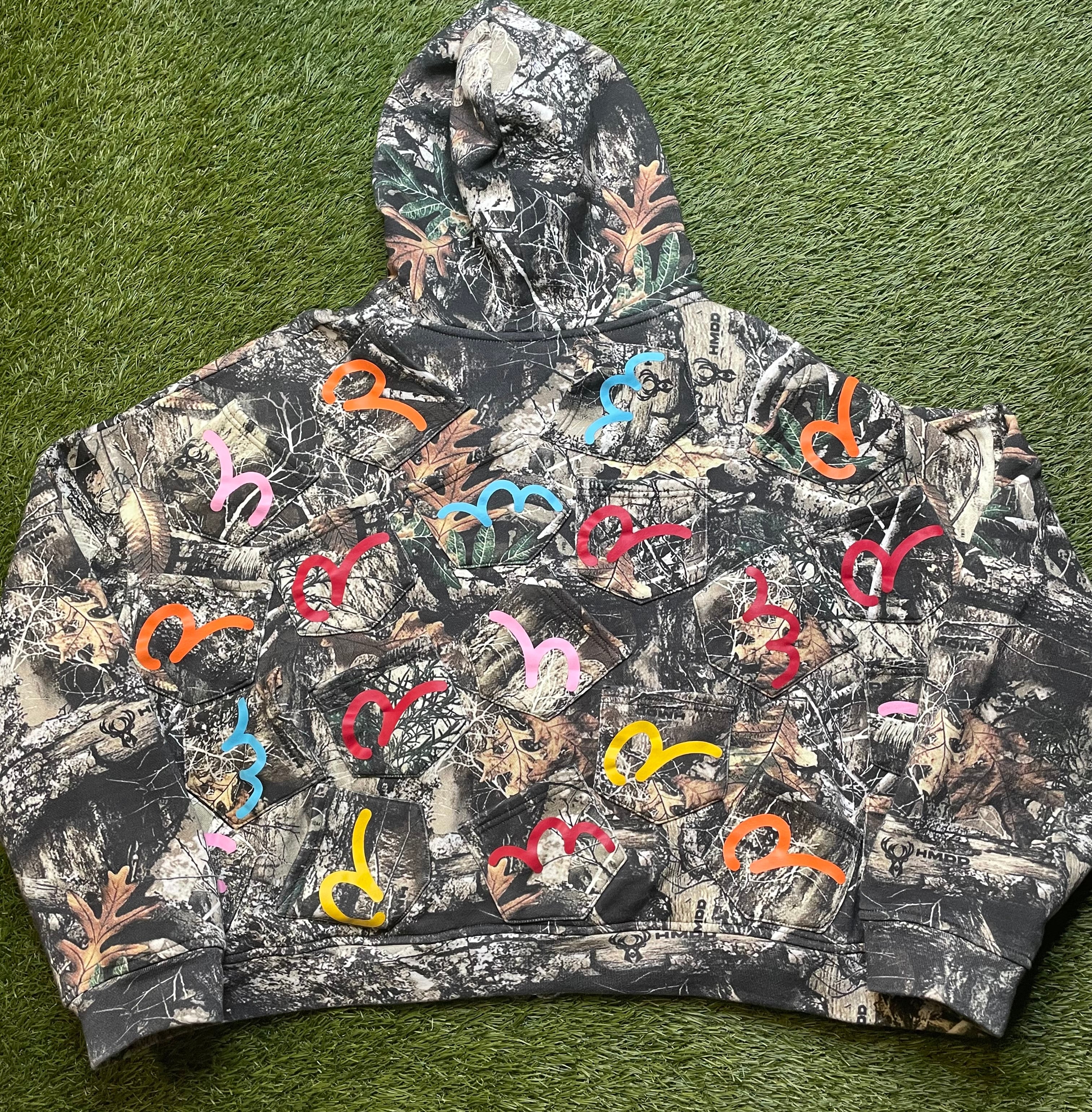
    The letters HMDD spell out “Happy Memories Don’t Die,” a phrase that centers everything the label does in look and feeling. That name isn’t mere marketing dressing; it functions as a statement of belief around sentimentality, endurance, and the ability of clothes to preserve meaning once the original moment has faded. Anyone searching hmdd review threads or forums will notice the same pattern: discussion centers less on trends and more on how the pieces read as mementos. That distinction matters in a market flooded by branding-first streetwear reinventing itself season after season. HMDD’s visual identity resists that churn by leaning into a consistent emotional vocabulary rather than pursuing momentary hype. Grasping this philosophy is key to seeing why the label’s style feels intentional instead of reactive.

    This article breaks down the real design language behind HMDD clothing — hue selection, type treatment, fit reasoning, and material picks — and measures it up to general streetwear conventions so shoppers researching hmddla or the wider HMDD catalog in 2026 know what they’re truly investing in.

    The Foundational Visual Code: Nostalgia as Design Principle

    Most streetwear brands build identity around aggression or exclusivity — striking graphics, capped releases, scarcity fueled by hype. HMDD goes a different way. That line, “happy memories dont die,” recurs across the lineup not as an oversized shouted slogan, but often worked into smaller placements, faded treatments, or paired with muted color stories that hint at something worn-in instead of newly made. It’s a purposeful design call: garments that appear to carry a past create a different bond than apparel that seems new and forgettable.

    The visual identity draws heavily from archival and vintage sensibilities. Muted colors, lightly weathered surfaces, and type styled after hand-lettered signs or vintage paper goods all suggest a design team thinking about lasting relevance. happy memories don’t die Six or seven years ago, streetwear leaned almost entirely on stark contrast and neon accents; HMDD’s palette instead favors tonal restraint, letting a single graphic or phrase carry the emotional weight of a piece. That restraint is part of why the brand photographs so consistently well across seasons — the look doesn’t depend on trend-based color rotations to remain relevant.

    Fit and Form: Ease Woven Into the Visual Narrative

    Grasping the brand’s approach to shape and fit starts with HMDD sweatpants alongside hmdd shorts. The two categories gravitate to easy, generously-sized silhouettes — wide leg openings, dropped inseams, and elastic waistbands that put a premium on ease of motion ahead of shape. That’s no accident. A brand built around comfort-as-memory needs clothing that physically feels easy to live in, given that the outward statement falls flat unless the physical experience matches it. Tight, structured tailoring would contradict the emotional pitch of nostalgia and ease.

    HMDD’s sweatpants commonly come in straight-leg or tapered silhouettes, depending on the specific drop, paired with prominent seam detailing as well as occasionally small embroidered lettering near the hem or thigh — restrained enough that it doesn’t disrupt the piece’s minimal lines. The shorts follow a similar logic: inseams longer than what’s typical for athletic shorts, a slightly boxier fit through the hip, along with minimal branding that rewards a closer look rather than screaming from across a room. This disciplined, restraint-led silhouette strategy holds steady across nearly every product category the brand has released, and that’s partly why returning shoppers call the fit predictable in the most positive way — the sizing stays dependable release after release.

    Palette Approach and Fabric Decisions

    The brand’s color scheme cycles through earth tones, faded pastels, off-whites, and muted greys, occasionally punctuated by a darker navy or black used in contrast pieces. This is a smaller, more disciplined palette than most competitors run, and it’s a major reason the label’s Instagram grid and product pages feel cohesive rather than scattered. Weight-wise, sweatpants skew mid-to-heavy cotton fleece, and shorts skew lighter cotton-blend terry, even though exact composition varies by specific product listing, so it’s worth reviewing the specific product page for any piece under consideration prior to buying.

    The dye and wash methods applied throughout the collection play a direct role in shaping that lived-in visual signature mentioned earlier. Within streetwear, garment dyeing and enzyme washing are widely used tools for producing that pre-worn quality before a single wear, and HMDD’s completed garments often reflect that same soft, gently faded finish. It’s a texture choice as much as a color choice — even the fabric’s texture contributes to the nostalgic narrative.

    Type Choices and Graphic Layout

    Typography across HMDD product lines leans toward serif lettering or a hand-drawn script rendering of the “Happy Memories Don’t Die” phrase, contrasted occasionally with heavier sans-serif type reserved for logo marks. Such contrast — delicate script beside rigid structure — mirrors the label’s larger thematic tension between fragility (memories fade) and permanence (they don’t die). Graphic placement is usually asymmetrical or off-center, a subtle distinction that sets HMDD apart from brands that place every logo squarely in the center of a chest panel.

    Whether at the hem, side seam, or lower thigh, these are the areas where shorts and sweatpants typically position their details, drawing notice only when the wearer moves. This represents a more understated brand approach than the majority of direct-to-consumer streetwear labels attempt, and it’s one of the more frequently mentioned details in an hmdd review when customers discuss why the garments feel more “wearable long-term” than trend pieces bought for a single season.

    In What Way HMDD’s Visual Identity Stacks Up Against Comparable Streetwear Brands

    To frame the aesthetic in context, it helps to measure HMDD’s central design decisions against two common streetwear archetypes: the logo-driven hype label and the stripped-back basics label. The breakdown below lays out where HMDD sits relative to those two groups across several visual and practical considerations.

    Design Element Logo-Heavy Hype Brands Minimalist Basics Brands HMDD Clothing
    Color Palette Sharp contrast, neon accents Single-tone, mostly black/white/grey Earthy shades, faded pastels, muted contrast
    Graphic Placement Large, centered chest/back prints Little to no branding Small, asymmetrical, hem or side-seam
    Fit Philosophy Exaggerated for shock value Fitted to standard, tailored Easygoing, comfort-first, reliable sizing
    Textile Finish Crisp, unwashed Smooth, uniform Soft to the touch, garment-washed, worn-in texture
    Emotional Message Status and exclusivity Function and simplicity Nostalgia and permanence

    What this comparison shows is that HMDD occupies a middle lane most competitors ignore. It takes on the reserve of minimalist labels but injects the sentimental storytelling that hype-driven labels usually reserve for splashy graphics. This in-between stance is quite possibly the clearest way to account for why the best hmdd clothing pieces — usually the shorts and sweatpants that anchor the collection — receive repeat praise for feeling both understated and meaningful at once.

    Buying HMDD in 2026: What to Look For

    For shoppers scrolling through hmddla listings or the brand’s own site this year, a few useful markers help separate the standout pieces from the rest of the catalog. First, check the material weight listed on the product page — heavier fleece sweatpants typically hold their shape and worn-in finish longer than lighter blends. Second, look closely at images of the print positioning; the off-center design touch is a dependable signature of authentic design intent rather than a filler print. Third, read sizing notes carefully, since the relaxed fit across shorts and sweatpants runs roomier than standard athletic wear, and what looks like a true-to-size medium may end up fitting more like a loose large.

    Last but not least, take note of batch-level color notes. Because HMDD is built around dyed-and-washed garment finishing, minor inconsistency between manufacturing batches is standard and anticipated — a faded olive from one drop may not perfectly match another. That’s not a flaw; it’s in keeping with the brand’s entire aesthetic argument that apparel should read as unique and weathered rather than perfectly duplicated. Shoppers who understand that going in are usually more pleased with what they buy and a clearer sense of why the label’s identity has held firm across successive collections.

    Ultimately, the look HMDD has built actually works since all the visual elements — palette, silhouette, typography, fabric finish — circles back to a single core notion embedded in the brand name itself. Across the streetwear world, it’s rare to find a brand where the design philosophy and the marketing message amount to one identical statement, played out in the fabric itself instead of just in a tagline.

  • Find Tory Burch Style Tory Burch Purse

    Tory Burch Shoes: Each Category, Set Out in Full

    Footwear is the clearest read on this house, and it is also where most buying decisions get made. A leather thong sandal introduced in 2008 became the instantly recognisable centrepiece the label makes, and everything else was built outward from it. Each live category is taken in turn below as observed in September 2026, with the styles that fill it and the prices they were showing. They are observed market prices from live listings, not an official price list, so expect them to move with season, market, material and channel. Names matter here, because Kira, Eleanor, Romy and Pierced span handbags as well as shoes, and Miller names a bag family too. Start from the grouping, then go on to the name.

    Sandals: The Miller and Everything That Follows

    The entire footwear business is anchored by the Miller, which is why tory burch shoes are identifiable at a distance. Trade coverage puts it at 2008, and the shoe itself is a flat leather thong finished with a circular laser-cut Double T at the toe. One season runs to twenty or more variants, which is why shoppers assume that they are separate lines. The Miller Cloud should be read as a cushioned reinterpretation and not as a rival franchise, with Cloud Light, Cloud Lug and Cloud Pave Knotted filling out the group. The Ines slides, the Romy slides and flip-flops, the Pierced styles and the Patos T-strap all sit around it. Observed prices ran from $125 for the Mini Miller Jelly through $200 for the leather Miller to $425 for the Pierced Wedge Sandal.

    Ballet Flats: The Reva, Then The Styles It Shaped

    The other historic pillar is the Reva, whose torry burch bags recent history is misreported more frequently than any other product covered here. Named for the founder’s mother Reva Robinson and dated by repeated report to 2006, it is a soft round-toe flat carrying a cast Double T medallion. A pause came in 2017, which means anything published between then and 2024 describing it as a current bestseller was wrong. It returned in 2025 as a redesign, with a rounder toe, an enlarged logo element, a tighter colour range and a mule variant. Against the original $195, the relaunch price was reported at roughly $330 to $350, which indicates repositioning more than revival. Between $275 and $325 was the observed band for the Reva Punk Travel Ballet, with the Punk Heeled Ballet observed at $350.

    The Loafer and Slipper Group

    Loafers are the quietest corner of the range, and also the corner that rewards attention. The September 2026 line-up held the Classic Loafer, the Ruched Loafer, the Tassel Loafer, the LeeLee Loafer and the Lock Smoking Slipper. Leather uppers are built over flat soles or low stacked heels, and the branding shows up as vamp hardware instead of a cutout. The Classic, Ruched and LeeLee Loafers and the Lock Smoking Slipper were all observed at $325, so the pricing hardly moves. Between $350 and $375 sat the Tassel Loafer, which places loafers above the leather Miller sandal and level with the upper sandal band. Because they are closed and will take a liner, they are the kindest choice for anyone who finds the flats narrow.

    Espadrilles and the Wedge

    Rather than a warm-weather afterthought, espadrilles form a fully stocked category. The Miller Beaded, the Miller Capri Wedge, the Ines Wedge, the Eleanor Wedge, the Turnlock Wedge and the Braided Sandal Espadrille formed the observed line-up. The construction puts a jute-wrapped wedge under a leather, woven or beaded upper, which delivers height without a stiletto’s pressure point. Pricing started from $250 for the Ines version, then ran through $275 and $295 for the Eleanor and Turnlock versions. Observed figures reached $350 for the Miller Capri Espadrille Wedge and $375 for the Braided Sandal Espadrille, with the Miller Beaded sitting between $300 and $350. Similar height on a flatter base comes from a Woven Platform Sandal at $375, though jute handles weather badly.

    Trainers and Sneakers

    Smaller but genuinely current, the sneaker category overlaps with the performance side of the business. Observed styles ran to the Field Sneaker, the Hank Field Sneaker, the Hank Ballet Sneaker, the Ballet Sneaker, the Good Luck Trainer and the Tory Trainer. Most distinctive is the ballet-sneaker idea, which puts the low-cut, wide-opening shape of a flat onto a cushioned sole. Prices are strikingly flat: all four sneaker styles were observed at $250 and the two trainers at $300. At the same price, the Hank Ballet Sneaker also shows up in the Tory Sport section, a signal that Sport sits inside the main range. These are the most accommodating shoes the brand makes, which counts for anyone defeated by the narrow cut of the flats.

    Boots

    The highest observed prices in the range sit on boots, which also offer the widest variety of construction. A Chelsea boot, a heeled Chelsea, an ankle boot and a lug-soled heeled boot all fall under Romy, with Charlie contributing ankle and tall boots. Turnlock supplies a riding boot and two ankle boots, alongside standalone Money Clip, Multi Buckle, Georgia and asymmetric cap-toe styles. Pricing was observed from $395 for the Romy Chelsea and $450 for the heeled version, stepping up to $475 to $495 for the Charlie, Turnlock and Romy ankle boots. At $500 sat the Turnlock Heeled Ankle and Georgia Heeled Ankle Boots, and the asymmetric cap-toe was observed at $525. Observed pricing topped out at $600 for the Turnlock Riding Boot, $695 for the Charlie Tall Boot and $750 for the Multi Buckle Boot.

    The Raised Category

    Smaller than the flats, the heel category splits into two distinct halves. On one side are the kitten heels inside the Miller family, lifting the recognisable toe cutout onto a low slender heel. The Miller Capri Kitten Heel was observed at $275 and the Miller Crystal Kitten Heel at $600, and embellishment drives that jump. On the other side are the runway-led pumps, which have become the dominant show shoe rather than a side note. Reporting on the Spring 2026 collection described pumps trimmed with metal rings or beading, shown with crisp tailoring and midi skirts. Because the runway is the same brand rather than a separate tier, those pumps feed straight into the seasonal collection.

    Category by Category: Recorded 2026 Prices

    Set side by side, the categories show how the ladder is actually constructed. Jelly and rubber sandals occupy the bottom rung and work as an entry point at gift-level money. The widest band is leather sandals, and the Miller at $200 sits deliberately at the foot of the leather ladder. Loafers, espadrilles and sneakers occupy a tight middle where most of the assortment lives. The top belongs to boots, and heels are the least predictable band since embellishment rather than construction sets the price. What follows is observed market pricing recorded in September 2026, not a published or guaranteed price list.

    Group Example styles Observed band, September 2026
    Jelly and rubber sandals Mini Miller Jelly, Miller Cloud Light $125 to $150
    Sandals in leather Miller, Miller Cloud, Ines Slide $200 to $250
    Statement styles Pierced Slide, Beaded Flat Sandal $350 to $425
    Ballet flats Reva Punk Travel Ballet, Punk Heeled Ballet $275 to $350
    Loafers and smoking slippers Classic Loafer, Tassel Loafer $325 to $375
    Espadrilles and wedges Ines Wedge, Braided Sandal Espadrille $250 to $375
    Sneakers plus trainers Field Sneaker, Tory Trainer $250 to $300
    Boots Romy Chelsea, Charlie Tall Boot $395 to $750
    Heels Miller Capri and Crystal Kitten Heels $275 to $600

    Fit and Width: What Buyers Report

    Nothing below is brand policy, since all of it comes from ongoing buyer discussion. Buyers widely report that the Miller runs slightly small and narrow, and half a size up is the usual advice between sizes. A wide width exists for the Miller, and a wide Ines Slide has been observed, so options exist for some styles but not all. The Reva draws mixed reports, with near-universal agreement that it is narrow through the toe box and shallow over the instep. Longer threads suggest the footwear line skews narrow generally, which is the most useful thing to know before ordering unseen. Loafers, sneakers and other closed styles are the most forgiving, while jute-soled espadrilles are the least adjustable once worn.

    Buying, Discounts and Keeping Them Wearable

    The main discount event is the recurring Semi-Annual Sale, and a July 2026 edition was covered at up to around half off. A tory burch sale may also arrive as a tiered site-wide promotion, and an account-gated Private Sale with final-sale exclusives sits alongside it. Legitimate off-price stock reaches Nordstrom Rack, TJ Maxx and Marshalls, while Saks OFF 5TH closed its online store entirely after Saks Global’s early-2026 bankruptcy. There are physical outlet stores in premium outlet centres, though anyone searching tory burch outlet should know the company states it runs no online outlet. Country of origin proves nothing, since China, Italy and Portugal are all genuine origins for tory sandals and every other category. For care, pre-treat leather and suede with a protective spray and dry-buff plated hardware rather than polishing it.